Jersey design is more than just an exercise in aesthetic appeal—it’s a critical component of team branding, player performance, and fan engagement. Whether it’s a soccer kit, basketball uniform, or 熱昇華 jersey, the design serves multiple functions. It reflects the identity of the team, resonates with the emotions of fans, and enhances the athlete’s comfort and performance. Over the years, jersey design has evolved to accommodate new materials, cultural influences, and technological advancements.
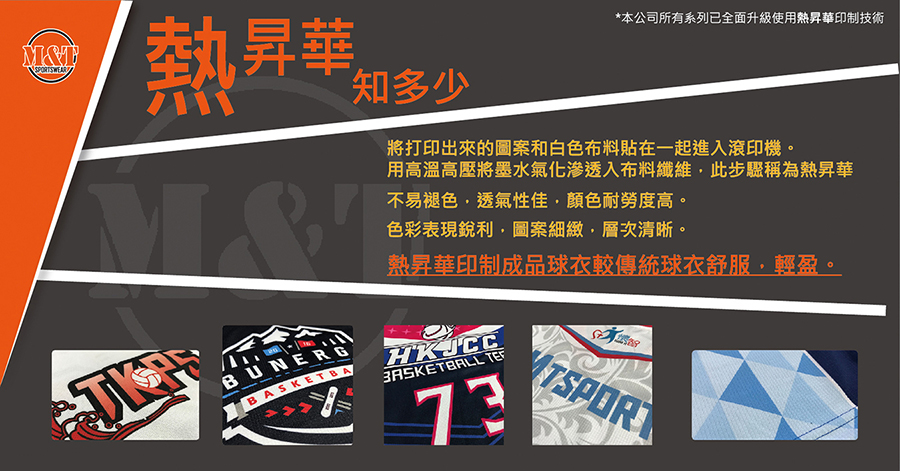
One of the most significant elements of a jersey is its ability to symbolize team identity. The choice of colors, logos, typography, and patterns often draws from the team’s history, location, or mascot. For instance, traditional soccer clubs may keep a classic, minimalistic look to honor their long-standing heritage, while newer teams might go for bold patterns and vibrant colors to stand out. Fans often form emotional bonds with particular jersey designs, associating them with memorable seasons, victories, or star players. Because of this, designers must balance innovation with a respect for tradition.
Performance plays a huge role in jersey design, especially at the professional level. Materials used must support breathability, moisture-wicking, and durability. Advanced fabrics reduce sweat retention and improve mobility, which can be crucial during intense matches or competitions. Tailoring also matters—slim fits are favored in many sports to minimize drag or interference. In cycling and running, for example, jerseys are often made to be aerodynamic and lightweight. Seam placements, mesh panels, and even zipper positions are carefully considered to provide athletes with the best possible experience.
Cultural and social factors have also shaped jersey design trends. National pride is often incorporated into jerseys during international competitions, with symbols, flags, and traditional motifs subtly woven into the design. Social messages, such as support for causes like racial equality or health awareness, have also found a place on jerseys. Additionally, collaborations with fashion brands and designers have turned sports jerseys into streetwear staples, worn by people far removed from the athletic world. This crossover of fashion and function has made jerseys highly desirable beyond the field or court.
The fan experience is another key aspect influenced by jersey design. Teams and brands release home, away, and alternate kits annually, creating excitement and revenue through sales. Special edition jerseys, like those for anniversaries or commemorative events, often become collector’s items. Customization options, such as printing player names or personalized messages, make fans feel more connected to their teams. The digital age has also allowed for fan participation in the design process, with online votes and design contests becoming more common.
In conclusion, jersey design is a multifaceted discipline that connects athletes, teams, and fans through a unique blend of form and function. It encapsulates identity, enhances performance, and even impacts broader cultural trends. As technology and creativity continue to evolve, jersey designs will only become more dynamic, inclusive, and innovative. Whether on the pitch or on the streets, the humble jersey continues to be a powerful symbol of unity and pride.