A bunion is a bony bump that forms at the base of the big toe, where it connects to the 拇趾外翻 . Medically known as hallux valgus, bunions develop when the big toe pushes against the adjacent toe, forcing the joint to stick out and become misaligned over time. This condition is more than just a cosmetic concern—it can lead to significant discomfort, chronic pain, and difficulty walking if left untreated. Bunions are quite common, especially among women, and bunion often linked to footwear choices and inherited foot structure.
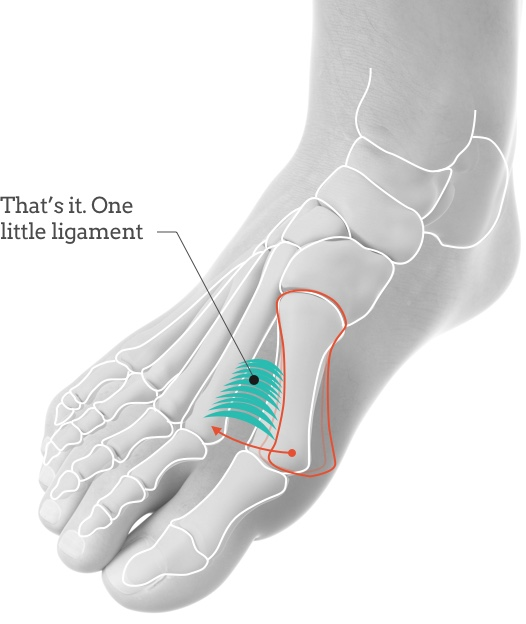
There are several factors that contribute to the development of bunions. Genetics plays a major role; if bunions run in your family, you’re more likely to develop them as well. Structural foot abnormalities, such as flat feet or overly flexible joints, can also increase the risk. Additionally, wearing tight, narrow, or high-heeled shoes that cramp the toes may accelerate the development of bunions. Inflammatory conditions like rheumatoid arthritis can further exacerbate joint misalignment, leading to bunion formation.
Recognizing the symptoms of a bunion early on is crucial for effective management. The most noticeable sign is the protrusion of the big toe joint, which may become red, swollen, and tender to the touch. Pain often increases while walking or wearing shoes that press against the bunion. In severe cases, the big toe may overlap the second toe, causing additional complications like corns, calluses, and hammertoes. Limited mobility and chronic discomfort can significantly impact daily activities and quality of life.
Treatment options for bunions vary depending on the severity of the condition. Non-surgical methods are typically the first line of defense. These may include wearing wider shoes with a roomy toe box, using padding or orthotic inserts, applying ice to reduce swelling, and taking over-the-counter anti-inflammatory medications. Physical therapy and exercises that strengthen the foot and toe muscles can also help slow the progression of the bunion and alleviate discomfort. In some cases, corticosteroid injections may be recommended to reduce inflammation and pain.
When conservative treatments fail to provide relief and the bunion interferes with daily life, surgical intervention may be necessary. Bunion surgery, known as a bunionectomy, involves realigning the toe joint and removing the bony bump. There are various surgical techniques depending on the deformity’s complexity, and recovery can take several weeks to months. While surgery can significantly improve foot function and reduce pain, it’s not always a permanent solution if post-operative care and proper footwear are not maintained.
Preventing bunions or slowing their progression is possible with a proactive approach. Choosing properly fitting shoes with adequate arch support, avoiding high heels for extended periods, and maintaining a healthy body weight can all reduce stress on the feet. Regular foot exercises, such as toe stretches and strengthening routines, may help preserve joint alignment and mobility. For individuals with a family history of bunions, early consultation with a podiatrist can help identify risks and implement preventive strategies before symptoms become problematic.