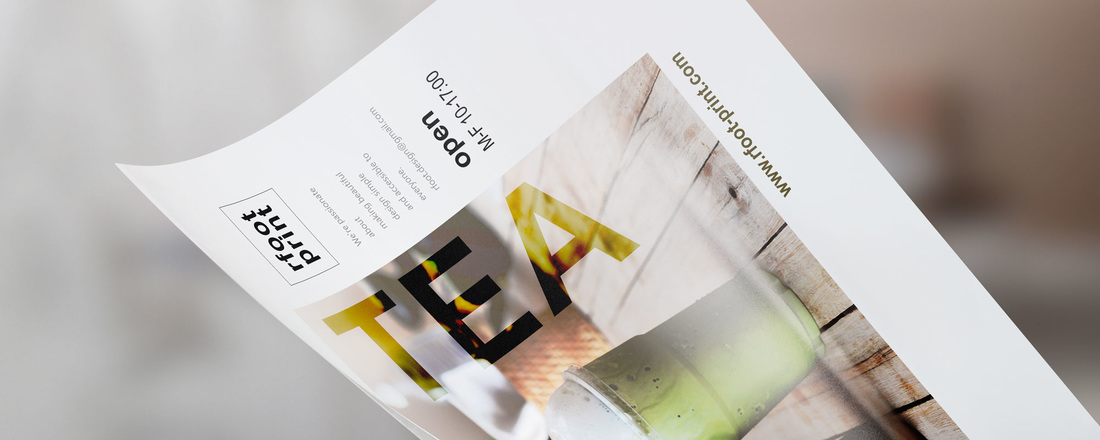
In a world focused by digital screens and instant online messaging, poster printing might seem as an old-fashioned form of communication. Yet, it continues to survive as one of the most effective, tangible, and versatile marketing tools in existence. The enduring selling point of printed paper prints lies not only in their simplicity but also in their capacity to deliver messages with boldness, permanence, and emotional impact. Whether displayed on city streets, in shops, at events, or in personal spaces, paper prints remain an essential medium for branding, storytelling, and artistic expression.
One of the most compelling advantages of poster printing is its capacity to command attention in physical environments. A poster does not depend on algorithms, pop-up blockers, or digital signals to be seen. It exists in real space, catching a person’s eye of passersby through its size, design, and strategic placement 囍帖. This physical presence creates a memorable impact—people can glance at a poster repeatedly as they walk by it each day, ingesting the message through repeated exposure. This natural duplication makes paper prints the best tool for campaigns that try to build awareness over time.
Versatility is another major strength of poster printing. Paper prints can be created in virtually any size, from small images suitable for indoor décor to large-scale outdoor installs meant to dominate public spaces. They can be printed on a variety of materials, including shiny paper, matte stock, plastic, fabric, and even recyclable eco-friendly substrates. This flexibility allows businesses and inventors to adapt the style and durability of their paper prints to specific environments. For example, outdoor paper prints require weather-resistant materials, while indoor promotional displays may favor high-resolution finishes with rich color depth.
Despite the growth of digital advertising, poster printing remains cost-effective, particularly for small businesses, nonprofits, and independent inventors. Desigining a high-quality poster typically costs less than investing in online ads or television tv ads. Once printed, a poster incurs no additional costs—it requires no hosting fees, no maintenance, and no recurring spending. This cost allows organizations to stretch their marketing budgets without sacrificing visual impact. For community events, shows, art shows, and local promotions, poster printing continues to be one of the most accessible and budget-friendly advertising options.
Perhaps one of the most exciting facets of poster printing is the creative freedom it gives. Paper prints have always been celebrated as a form of artistic expression, blending together typography, model, photography, and design elements into a single cohesive visual message. Whether promoting a film, showcasing a product, or inspiring social change, paper prints provide a canvas large enough to make bold, dramatic statements. Designers can research colors, textures, and layout styles that may not translate as effectively in small digital formats. This creative potential has cemented the poster as a creative art form in its right, cherished by collectors, designers, and art enthusiasts around the world.
Moreover, poster printing links the hole between design and human feeling. A beautifully crafted poster can bring to mind feelings of nostalgia, excitement, curiosity, or inspiration. People often hang paper prints in their homes, offices, or personal spaces, adjusting promotional pieces into meaningful décor. The tactile quality of a printed poster—the texture of the paper, the sheen of the printer, the richness of the colors—creates a sensory experience that digital images cannot replicate. This physical connection enhances the perceived value of the message and firms the bond between the creator and the person.
Businesses and organizations rely on poster printing for a wide range of purposes. In retail environments, paper prints help announce promotions, highlight new arrivals, or shape the store’s visual identity. Educational institutions use them to share with you information, celebrate achievements, or invigorate students with motivational messages. Event planners depend on paper prints to build anticipation and attract attendees. Even corporate offices utilize paper prints to bolster branding, display mission statements, or promote internal initiatives. With such a diverse choice of applications, it’s clear that paper prints remain integral to communication strategies across industries.
Advancements in printing technology have significantly expanded what is possible with poster printing. Today’s printers can produce exceptionally sharp images, vibrant colors, and precise details that rival digital screens. Large-format printers allow for seamless printing on oversized materials, while specialty printers can create uneven finishes, metal decorations, or layered effects. These innovations give designers more tools to bring their ideas alive and ensure that printed paper prints stand out even in packed visual environments. Modern printing methods also enable short-run production, making it easy to produce limited-edition paper prints that appeal to collectors or niche audiences.
Sustainability in addition has become an important factor in the development of poster printing. Many print shops now offer eco-friendly materials, biodegradable inks, and energy-efficient production methods. Recycled paper options and sustainably taken substrates have the ability to create paper prints that support green responsible practices. As consumers are more eco-conscious, businesses are increasingly implementing sustainable printing choices to line-up with their values and meet audience expectations. This shift helps to ensure that poster printing remains relevant in a world that prioritizes environmental stewardship.
Another unique selling point of poster printing is its capacity to complement digital marketing rather than take on it. A well-designed poster can drive traffic to online platforms by including QR codes, website Urls, or social media handles. This integration allows businesses to enhance their reach by linking traditional and online audiences. For example, a poster for a new product can capture attention in a physical location, while the QR code markets viewers to an online store. This blend of traditional and modern marketing techniques creates a cohesive brand experience that engages consumers in multiple spaces.
Despite the rise of digital communication, nostalgia also plays a role in the continued popularity of poster printing. Many people associate paper prints with beloved memories—concerts, movies, school events, and personal achievements. This emotional connection makes paper prints more than just advertisements; they become souvenirs, mementos, and personal expressions. Artists and bands often produce limited-edition paper prints for fans who wish to own a physical reminder of an experience. In a world where a lot of our content is gone quickly from digital nourishes, a poster offers permanence and emotional value.